Highlights for Root Canal Treatment for Front Teeth
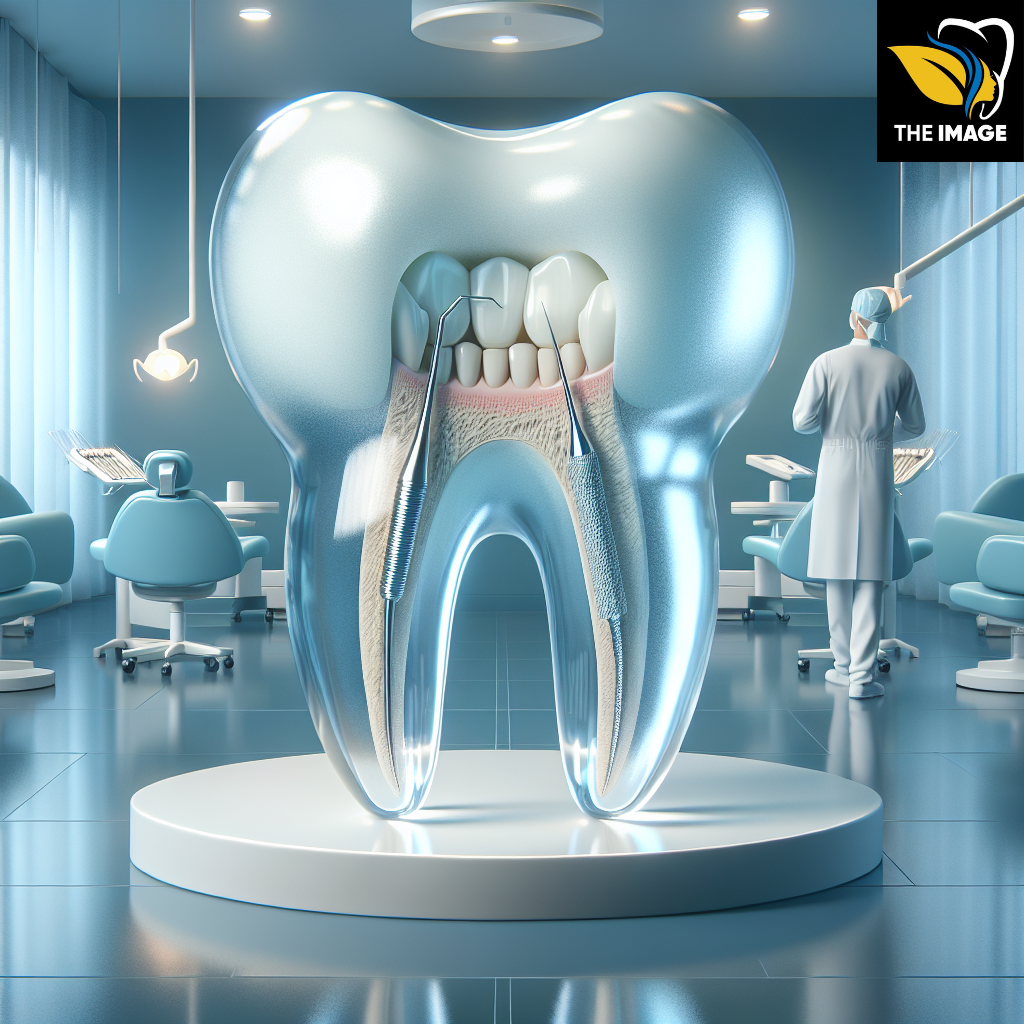
- Front tooth root canal is a common dental procedure for saving an extremely damaged or infected tooth.
- This entails removing the affected pulp, cleaning and sealing the root canal to halt further infection.
- The process of front tooth rootals are generally less painful due to their simple nature compared to those done on molars.
- Saving the natural tooth, relieving pain and improving oral health are some benefits of front tooth root canals.
- Good oral hygiene practices are important in addition to proper aftercare for successful and long-lasting front tooth root canals.
- When considering extractions of teeth or implantation procedures, carrying out a front-tooth-root-canal may be cost-effective.
Front tooth root canal

Are your front teeth painful? Do you suspect that it will need a root canal? Are you curious about the price or what happens after that? Don’t worry, we got you covered. Here is everything you need to know about getting a root canal on your front incisor. After reading this piece, you will learn the steps involved in the procedure and understand what having one means thus making a choice between healthy dental life or one full of many problems easy.
Front tooth root canal is a procedure performed to save dead pulp in an infected tooth. Although most people associate “root canaling” with back teeth like molars and pre-molars, this method can also be applied to front-teeth (anteriors) including incisors, cuspids (canines). When pulp within their roots get infected or damaged due to infection then front tooth roots become very sensitive . Pulp refers to soft material found inside teeth where normally blood vessels nerves and connective tissues are located. Infected pulps cause intense pain which if left untreated can result into more complicated dental issues.
For example , whenever any throbbing feeling emerges from our incisors we should realize that there is deep down within our teeth an infected pulp.. In such cases, therefore, decayed teeth are more prone to have pus while broken ones may expose nerves thereby leading them towards becoming infected too easily so as even crack. Failure by someone to treat his/her affected tooth may bring about other problems which could eventually cause complete loss of such a tooth at times. That being said these particular kinds of cavities can be treated through cleaning root canals during which all germs must be removed off otherwise sealed up.
Still on different parts; time frames for seeking medical help sections following treatment advantages choosing this option what happens afterwards among others will be discussed here too. Additionally there are responses given based on typical queries asked concerning anterior endodontic therapy in order provide comprehensive knowledge regarding anterior endodontics.

Justification for a Front Tooth Root Canal
It is important to note that front teeth affect our facial look, smile and speech too; nevertheless, they are also susceptible to infection as well as pulp damage. In case the pulp of incisors becomes irritated or irreparably spoiled, a surgery called root canal treatment for front tooth may be required.
The causes of this damage can vary greatly from severe tooth decay through infections up to accidents which result in our teeth being injured or even cracked.
Failure to take care of oral diseases can lead to infection around the pulps of our anterior teeth. If an infected tooth is not treated early enough one may end up losing more than just one tooth. To solve this problem a root canal therapy for front dental should be performed whereby the affected nerves are removed from the pulps and then filled with medicine so as no bacteria can enter them again.
A radical measure would involve taking out the central incisor thus causing aesthetic problems since one will need prosthodontics like implantation or bridge only to replace it.In addition, root canals keep original natural function and appearance of the tooth intact.
An infection on any of your anterior teeth might require a root canal if there is persistent toothache, swelling around it with tenderness when touched, darkening of its color, sensitivity especially when eating hot or cold foods plus an abscess/pimple forming on gum close to where this particular tooth lies.Taking immediate action by seeing a dentist once some signs become noticeable can help prevent further spread of infections.
Significant Indications and Symptoms
- Being able to tell the signs of a front tooth infection is important, “because early intervention can save you from more harm and prevent elaborate dental procedures. Here are commonly encountered signs and symptoms of an infected front tooth:
- Long lasting Toothache: A constant or recurrent pain in teeth which cannot be relieved by non-prescription drugs.
- Tooth discolouration: Discoloration of the affected tooth where it becomes darker or gets more stains than other adjacent ones.
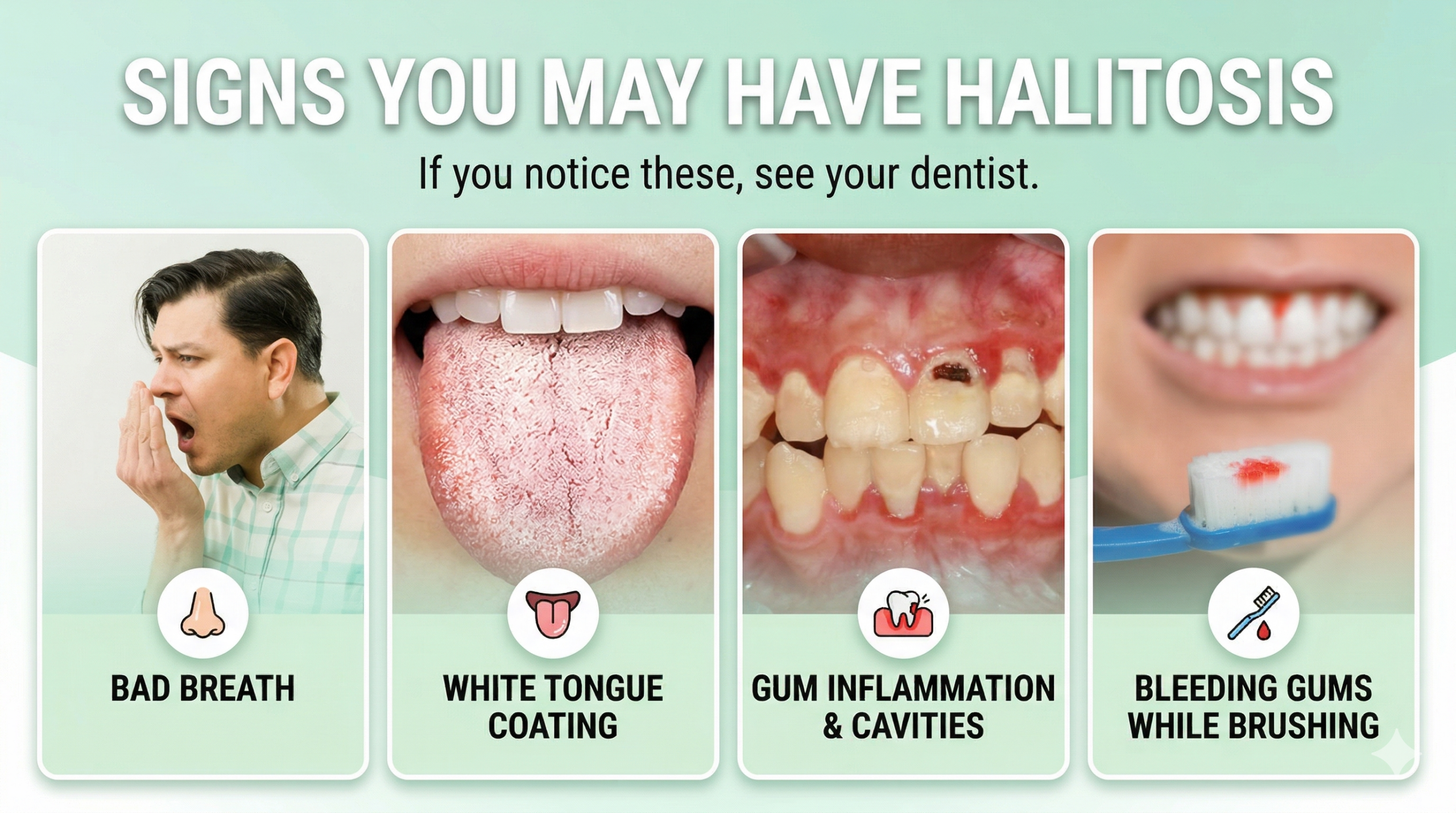
- Swollen gums around infected tooth: Gum tissues surrounding decayed teeth usually become enlarged, tender or painful if touched.
- Feeling Hot And Cold Sensitivity: Overly sensitive to hotness and coldness in foods that causes discomforts and hurts.
- Red swelled gum tissue by the infection area might have an abscess or a gumboil: The presence on gum near diseased tooth, small painful bump like pimple often characterized by tenderness and swelling.
- When some of these indications happen then it is necessary to visit a dentist for accurate diagnosis of root canal therapy.
The Importance of Timely Intervention
Timely intervention is crucial when it comes to front tooth root canals. Ignoring the signs of infection or delaying treatment can lead to further complications and potentially more invasive dental procedures. Here’s why timely intervention is important:
- Preventing more infection: if the front tooth in question is infected, the infection can also spread into adjacent teeth or even gums leading to other dental issues and more complex treatments interventions. The source of the infection can be effectively removed through root canal therapy thus preventing its spread further.
- Tooth decay avoidance: if not treated, an infected incisor may continue to rot, potentially damaging tooth structure beyond repair. Tooth decay weakens the tooth and may ultimately result in loss of teeth.
- Minimizing need for pervasive dental treatments: as opposed to tooth extraction or dental implants, front tooth root canal is a relatively conservative treatment option. Early intervention on infections allows you to avoid increasingly invasive and expensive procedures that involve the mouth cavity.
- Ensure proper care and maintenance hygiene: timely intervention assures prompt treatment and implementation of care as well as maintenance strategies. This includes adhering to post operational requirements by a dentist as well as good oral hygiene which forms part of long-term success of front tooth’s root canal.
Preparing for Your Front Tooth Root Canal
If you have been recommended for a front tooth root canal, it is important to prepare for the procedure to ensure a smooth and successful treatment. The first step is to schedule a Tho Preparing for a Root Canal on Your Front Tooth
If you have been advised to undergo a root canal on your front tooth, the first thing that should be done is to get ready for it so as to ensure its smoothness and success. The initial step involves booking an appointment with an endodontist who specializes in such treatments. During this visit, he or she will evaluate your dental health status after looking at your medical records and may recommend whether or not root canal therapy is necessary. Make sure you give accurate details about any existing medical condition as well as medication being taken because these will help come up with appropriate strategies tailored just for you.
What Happens During the Consultation
For a front tooth root canal consultation, dentists examine all parts of the mouth including teeth and surrounding areas like gums; they can also take X-rays if need be so as to see shapes of roots canals among other things. Symptoms together with medical history are evaluated during this time too so that severity levels can be determined which guides treatment planning processes accordingly – sometimes patients might even need to be referred elsewhere for further assessment by specialists called endodontists who mainly deal with root canal treatments. In short words; without going through consultations everything else may not work out well since each tooth has got unique features requiring different interventions aimed at saving them plus their supporting structures such as periodontium where wisdom teeth belong.
How to Choose the Right Endodontist
For front tooth root canals, it is crucial that you choose the right dentist. To do this, find local practitioners with good reputations in endodontics – there should be some nearby as these procedures have become increasingly popular over time due to worsening oral health care among people nowadays. Also, check if they hold relevant qualifications gained through strict training courses and have performed many successful surgeries in the past; such specialists will probably try every means necessary for your quick recovery since it’s them who treated you.
Root Canal Procedure Detailed Outline
There are a number of steps that must be taken during the root canal procedure to treat an infected pulp and restore a healthy tooth. These include anesthesia and tooth isolation, accessing the pulp chamber, removing the infected pulp, cleaning and shaping the root canal, and filling and sealing the canal.
Anesthesia & Tooth Isolation
Before beginning any work on your mouth area, local anesthetic will be administered by a dentist so as not to cause discomfort or pain throughout treatment. This numbs all nerves around affected tooth including those within its immediate vicinity ensuring patient comfort during procedure. Additionally they put up dental dam which is basically a thin sheet made out of rubber surrounding your front teeth; this prevents them from getting dirty while working with other parts of mouth such as gums etcetera therefore creating sterile conditions necessary for success in dental practice.
Accessing The Pulp Chamber
A small opening into it should be created at some point usually back or biting surface which is less visible after treatment completion wherefore allowing minimal visibility possible once done . In doing so enables easy reachability by dentist towards infected/damaged pulpal tissues inside my anterior tooth hence this can enable effective removal later on prior undertaking further stages involved within root canal therapy.
Removing Infected Pulp
After having gained access into pulp chamber, relevant medical practitioner should carefully get rid of any unhealthy tissue found therefrom whilst taking into consideration patients’ overall wellbeing. At times when inflamed or damaged this part may cause excruciating pain thus making extraction very important step during these procedures because it serves as a breeding ground for bacteria causing deterioration in oral health over time if left unchecked thereby resulting into loss or death. To ensure cleanliness instruments designed specifically for use within dentistry are employed thus eliminating every bit off rotten stuffs accompanied by thoroughness required when preparing remaining portions meant for future use regarding root canals therapy.
Cleaning and Shaping the Root Canal
After cleaning and shaping the root canal, the next step in a root canal therapy is filling and sealing the canal. To clean and shape the root canal, tiny files are used by a dentist for removing all remaining infected tissue as well as shaping it so that it can be filled properly then sealed off. This is very important because it ensures that no part of the tooth remains infected therefore reducing chances of getting another infection or other problems. The dentist will navigate these files throughout the whole length of each root which needs to be treated until they reach beyond its end where there might still exist some nerves; this way he/she achieves complete cleanliness before proceeding with subsequent steps.
Post-front-tooth-root-canal recovery
Recovering from a front tooth root canal is very important. The procedure stops infection from spreading to other teeth by getting rid of the infected pulp and sealing off the area around it. This means that one has to take good care of their mouth and visit the dentist regularly after treatment. Following proper care such as avoiding sticky foods and keeping oral hygiene can greatly reduce the chances of re-infection which will help in making sure that this treated tooth lasts long enough without any complications requiring further dental treatments.
Recovery and Aftercare Following a Root Canal
There are several steps involved in post front tooth root canal care for proper healing. Immediate post-procedure care consists of avoiding strenuous activity and following all instructions given by your dentist or endodontist. Dental health should be maintained on a long term basis through regular brushing, flossing, and dentist visits. Specific recommendations may be made depending on individual cases therefore it is important to follow them strictly so that you can have successful recovery process according to what your doctor had told you.
Immediate Post-Procedure Care
After a front tooth root canal, it’s crucial to give immediate post-procedure care. Follow all instructions provided by your endodontist or dentist who performed the procedure on you. Avoid chewing with the treated tooth until final restoration is placed thereon. Take pain medication as prescribed if necessary but do not overdose yourself with drugs just because they are meant for relieving pains associated with this type of dental operation . Keep up oral hygiene standards at least twice daily so as not get re-infected again which leads me saying brush gently over areas around where these things were done since they might still be sensitive; more lightness when doing so will avoid any injury caused by rushing through brushing time while using a hard bristle brush
Practices for Long-term Dental Hygiene
In order to ensure good oral health, it is important to have proper dental hygiene habits after a front tooth root canal. Having regular cleanings and check-ups are necessary. Dental health can be maintained by brushing teeth twice a day with fluoride toothpaste. Flossing helps remove plaque that may cause more infection. Sticky foods should be avoided in order to protect the treated tooth. Taking care of it right will extend the life of this treatment. Talk to your dentist if you notice anything strange about your affected tooth or its surroundings – they know best! Keeping up with long term dental hygiene prevents further complications down the road..